Warwick Road Earlscourt rubbish clearance guide
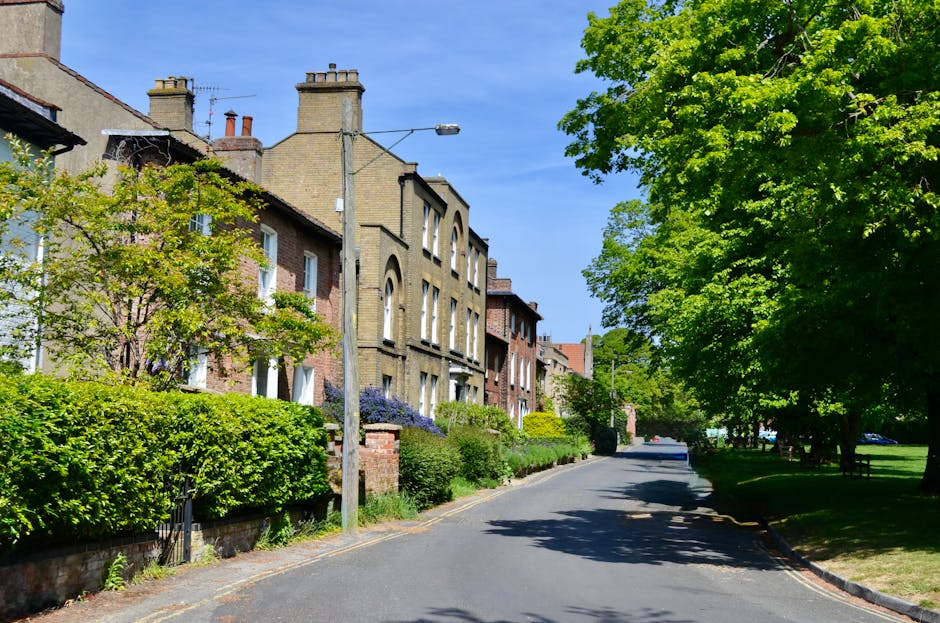
If you live, work, or manage a property near Warwick Road in Earlscourt, rubbish can build up faster than you expect. A single renovation, a loft sort-out, or even one brutal weekend of decluttering can leave you staring at bags, broken furniture, and awkward items that won't fit in a normal bin. This Warwick Road Earlscourt rubbish clearance guide walks you through the sensible way to clear waste without turning the whole job into a stressful, dusty mess.
Truth be told, rubbish clearance is rarely just about "getting rid of stuff". It is about doing it safely, legally, and in a way that suits busy London life. In the sections below, you'll find a plain-English guide to how clearance works, what to watch out for, when it makes sense to use a professional team, and how to avoid the usual headaches that people on busy roads tend to run into.
Whether you are clearing a flat, a house, a shop, a garage, or post-builder debris, the aim is the same: get the space back quickly, keep disruption down, and know the waste has been handled properly.
- Why Warwick Road Earlscourt rubbish clearance guide matters
- How the clearance process works
- Key benefits and practical advantages
- Who this is for and when it makes sense
- Step-by-step guidance
- Expert tips for better results
- Common mistakes to avoid
- Tools, resources and recommendations
- Law, compliance, standards and best practice
- Options and comparison table
- Real-world example
- Practical checklist
- Conclusion
- Frequently asked questions
Why Warwick Road Earlscourt rubbish clearance guide Matters
Warwick Road and the wider Earlscourt area come with a very London-specific reality: limited space, tight access, shared entrances, and neighbours who will notice if waste is left out too long. That makes rubbish clearance less forgiving than it might be somewhere with a big driveway and an empty street.
A good clearance plan matters for a few simple reasons. First, there is the practical side. Waste left in hallways, front gardens, rear yards, or on pavements can get in the way fast. Second, there is the safety side. Old furniture, sharp materials, and heavy bags can cause trips and strain injuries if they are handled badly. Third, there is the legal and environmental side. In the UK, household and commercial waste should be taken to appropriate facilities, and you want confidence that items are being handled responsibly rather than dumped somewhere they should not be.
For local residents, the biggest win is usually time. A job that might take most of a day with a hired vehicle, multiple trips, and a lot of lifting can often be handled in one visit by a clearance team. And on a busy road, one visit is worth a lot. Less mess, less noise, less faffing about. That alone can make a big difference.
Expert summary: if your waste is awkward, heavy, mixed, or time-sensitive, a planned clearance approach is usually safer and more efficient than trying to wing it at the last minute.
If you are comparing broader waste solutions as part of a home or property clean-up, it can also help to read about waste removal options alongside your clearance plan so you understand what is best suited to the amount and type of waste you have.
How Warwick Road Earlscourt rubbish clearance guide Works
Rubbish clearance is simpler than many people expect, although the details matter. In most cases, the process follows a practical flow: assess what you need removed, identify anything special or restricted, arrange access, agree a collection plan, and then get the waste loaded and taken away.
Usually, the first step is a quick visual assessment. That might be done from photos, a short call, or an in-person look if the job is larger. This is where the main variables are identified: volume, weight, item type, access issues, and whether any specialist handling is needed. A flat full of bagged general waste is one thing. A basement with broken units, old appliances, and a mattress is another entirely.
Then comes the practical bit. The team arrives, protects the route where needed, lifts and sorts the waste, and removes it for proper disposal or recycling. If the job includes furniture, you may want to combine it with furniture clearance or mattress and sofa disposal so those bulky items are dealt with efficiently rather than treated as an afterthought.
For larger properties or full contents jobs, a broader service such as home clearance or house clearance may be more appropriate. For tighter spaces, especially flats and apartments, flat clearance is often the cleaner fit.
A small but important point: mixed rubbish is common. You might have cardboard, old toys, broken shelving, a rug, a lamp, and the remains of a DIY project all in one pile. Good clearance work sorts that properly rather than just tipping everything together and hoping for the best. Nobody wants that smell of damp plasterboard in the van, either.
Key Benefits and Practical Advantages
The biggest benefit is obvious: you get your space back. But there are several other advantages that are worth understanding before you choose how to clear the rubbish.
- Less physical strain: heavy lifting is no joke, especially in stairwells and narrow hallways.
- Quicker turnaround: a professional team can often complete in a short window that would take a DIY approach much longer.
- Safer handling: hazardous or awkward items can be identified before they become a problem.
- Better sorting: recyclable items can be separated more effectively than in a hurried last-minute clear-out.
- Reduced disruption: useful in shared buildings, on tight roads, and where access needs to stay open.
- Cleaner finish: a proper clearance should leave the area ready for the next task, not halfway done.
There is also a mental benefit people underestimate. Clutter is noisy in the background. You keep seeing it, planning around it, moving things twice. Once it's gone, the space feels calmer. A little ridiculous, maybe, but very real.
If sustainability matters to you, ask how the waste is handled. A responsible approach should support recycling where practical and route reusable or recyclable materials away from landfill whenever possible. For a deeper look at that side of the process, see recycling and sustainability practices.
Who This Is For and When It Makes Sense
This guide is useful for anyone dealing with one of those "too much stuff, not enough time" moments. That includes homeowners, tenants, landlords, letting agents, builders, office managers, and business owners.
It makes particular sense if:
- you are moving out and need the property cleared quickly
- a tenant has left behind furniture or waste
- you are renovating and need builder's waste removed
- you are sorting a loft, garage, or spare room
- you manage an office and need old desks, chairs, or files removed
- you are dealing with a garden or outdoor area that has been neglected
- you have bulky waste that will not fit into ordinary bins
For a landlord, the priority is often speed and presentation. For a family, it may be about reclaiming space before guests arrive or before the school term starts. For a business, it can be about keeping the premises tidy and avoiding clutter around staff or customers.
Busy small businesses near Warwick Road also tend to need the job done with minimal fuss. If that sounds familiar, a dedicated business waste removal arrangement is usually more practical than trying to manage the same load through ad hoc trips and borrowed vans.
Step-by-Step Guidance
If you want to handle rubbish clearance properly the first time, follow this sequence. It is simple, but it works.
- Walk the space and identify everything to remove. Be honest. That half-hidden pile behind the wardrobe counts too.
- Separate obvious categories. General waste, furniture, appliances, building debris, and anything potentially hazardous should not be lumped together blindly.
- Check access. Look at stairs, lifts, parking, entrance width, and whether there is room for loading without blocking neighbours or traffic.
- Decide what can be reused, donated, recycled, or disposed of. You do not need to become a sorting expert overnight, but a little triage helps.
- Put special items aside. Fridges, freezers, paint, chemicals, confidential paper, and very heavy objects need extra thought.
- Book the clearance with the job details ready. Photos help. So do honest measurements and a clear explanation of the access.
- Prepare the route. Move smaller personal items, protect fragile areas if needed, and make sure doors can open freely.
- Supervise the loading if appropriate. Not micromanaging. Just being available to confirm what goes and what stays.
- Do a final check. Look in cupboards, under beds, behind appliances, and in corners. That is where the forgotten bits hide.
For more specialised item handling, it can help to plan around the specific waste type rather than assuming one method fits all. If you have old appliances, for example, fridge and appliance removal is a better fit than a generic load. If the job is garden-heavy, a dedicated garden clearance approach may be the smarter choice.
One small human truth: the job always looks smaller from the street than it does inside the property. Always. You think, "that'll be fine in one van." Then you open the cupboard under the stairs and there's half a DIY project and two broken chairs. Happens all the time.
Expert Tips for Better Results
Small decisions make a big difference in rubbish clearance. These are the habits that save time and avoid awkward surprises.
- Photograph the waste before booking. Good photos reduce misunderstandings and speed up planning.
- Label anything that stays. A scrap of tape on the items to keep can prevent a lot of back-and-forth.
- Clear pathways early. Do not wait until the team arrives to start moving shoes, bins, or boxes out of the way.
- Bundle loose light waste. Cardboard, paper, and soft materials are easier to manage when grouped sensibly.
- Ask about access before the day. If parking is tight, say so. If there is a lift but it is small, say that too.
- Keep hazardous materials separate. Paint, oils, batteries, and unknown chemicals need different handling.
- Think in zones. If you have a loft, garage, and garden all involved, tackle them as separate piles rather than one giant mountain.
In our experience, the smoothest jobs are the ones where the client has spent ten minutes doing a quick sort before the collection window. Nothing fancy. Just a bit of prep, a bit of clarity. It saves everyone time.
If you're clearing a worksite or property after a build, it may also help to look at builders waste clearance. Construction waste has its own quirks, and mixed rubble is not something to guess about.
Common Mistakes to Avoid
Most rubbish clearance mistakes are boring, predictable, and expensive in time if not money. Here are the ones that come up again and again.
- Underestimating volume. People often count bags rather than space taken up in a van.
- Mixing restricted items with general waste. This causes delays and can complicate disposal.
- Leaving access problems until the day of collection. A blocked doorway or impossible parking space changes everything.
- Forgetting about heavy items. A single wardrobe or washing machine can change the whole approach.
- Assuming all waste can go in one load with no sorting. That's rarely the best route.
- Not checking what needs special handling. Hazardous waste is the classic one people discover too late.
- Failing to protect shared areas. In flats and converted buildings, staircases and hallways matter a lot.
A surprisingly common one is the "we'll just carry it all downstairs in one go" approach. Fine in theory. Less fine when the stairwell is narrow and somebody twists their back on the second trip. Let's not do that.
If confidential paperwork is mixed into your clear-out, separate it early and consider confidential shredding rather than leaving sensitive documents to be handled with ordinary waste.
Tools, Resources and Recommendations
You do not need a lot of equipment for a straightforward rubbish clearance, but the right basics help.
| Item or resource | Why it helps | Best for |
|---|---|---|
| Heavy-duty gloves | Protects hands from sharp edges and grime | Bagged waste, broken items, loft or garage clear-outs |
| Strong refuse sacks | Makes loose waste easier to move safely | General clutter, light mixed rubbish |
| Tape or labels | Helps mark what stays and what goes | Home, office, and landlord clearances |
| Phone camera | Useful for planning and quoting | All jobs, especially larger ones |
| Access notes | Keeps everyone aligned on parking, lifts, and entry routes | Flats and tight London properties |
| Waste-specific service page | Helps match the right disposal method to the waste type | Bulky, appliance, garden, or builder waste |
If you are deciding between removal options, it is worth comparing the service type to the waste itself. For example, bulky household items may fit better under furniture disposal, while mixed domestic clutter may be better handled through house clearance or a broader waste removal approach.
For storage-heavy spaces, a garage clearance or loft clearance can be the practical route. Those spaces tend to hide more than people remember, honestly. Dust, old cables, random boxes, all of it.
Law, Compliance, Standards, or Best Practice
You do not need to be a legal expert to clear rubbish properly, but you should understand the basics. In the UK, waste should be handled responsibly, and anyone arranging removal has a duty to think about where it goes. That includes choosing a reputable operator, not handing waste to someone who looks suspiciously cheap, and making sure waste is taken to legitimate disposal or recycling routes.
For business waste, the expectations are usually stricter in practice. Records, confidentiality, and duty of care all matter more because the waste may contain customer data, staff information, or trade waste. If you are clearing an office, it is sensible to combine office clearance with any shredding or secure disposal needs rather than treating them as separate afterthoughts.
Hazardous items need extra care. That can include certain chemicals, batteries, oils, and similar materials. If you are unsure whether something is hazardous, do not guess. Set it aside and ask for guidance. The same cautious approach applies to old fridges, freezers, and larger appliances because they can require special handling.
Good providers should also be transparent about insurance, safety practices, payment handling, and complaints procedures. That is not paperwork for the sake of it. It is part of trust. If you want to review how a company frames those basics, pages like insurance and safety, payment and security, and complaints procedure can help you judge whether their standards are clear and customer-friendly.
One practical rule of thumb: if a clearance job involves lifting, sharp edges, confined access, or unknown waste, treat safety as part of the service, not a bonus. That mindset keeps people out of trouble.
Options, Methods, or Comparison Table
There is more than one way to clear rubbish from Warwick Road or anywhere else in Earlscourt. The right choice depends on the type of waste, the size of the job, and how much effort you want to spend.
| Method | Best for | Advantages | Limitations |
|---|---|---|---|
| Self-clearance | Very small loads, light waste, people with transport and time | Direct control, flexible timing | Heavy lifting, multiple trips, parking hassle, disposal arrangements |
| Skip-style approach | Ongoing work, mixed DIY waste, projects with enough space | Useful for accumulating waste over time | Space needed, loading effort, waste type restrictions |
| Professional rubbish clearance | Bulky loads, urgent jobs, flats, awkward access, mixed items | Fast, efficient, less lifting, less disruption | Needs clear brief and sensible preparation |
If you are considering a skip, it is worth checking what is actually allowed before you book. The page on what can go in a skip is useful because skip rules can catch people out, especially with items that need special handling.
For a lot of Earlscourt properties, a professional clearance service is the most practical option simply because of access. Tight streets and shared entrances make a skip less convenient than people expect. And, to be fair, nobody enjoys staring at a metal box outside the building for several days.
Case Study or Real-World Example
Here is a typical scenario. A family in a flat near Warwick Road decides to clear out an extra bedroom before converting it into a home office. The room contains an old desk, a broken chair, a mattress leaning against the wall, several bags of mixed clutter, and a small pile of boxes from previous moves. They also find a few items in the hallway and a dusty shelf in the loft hatch area.
At first glance, it looks manageable. Then they try to lift the desk down the stairs and realise it is wider than the turn on the landing. That is where the plan changes. Instead of forcing the job in a stressful, stop-start way, the items are grouped properly: furniture is separated, bagged waste is identified, and the mattress is set aside for appropriate disposal. The route is cleared, the access is checked, and the whole thing becomes straightforward rather than chaotic.
The result is a cleaner room, no damage to the stairwell, and much less time wasted. More importantly, the family gets to move on with the room conversion without keeping old rubbish in the way for another week. That sort of outcome is why people usually feel relieved after a good clearance. It is not dramatic. It is just a proper reset.
If a similar job includes more furniture than expected, using furniture clearance as part of the plan can make the whole process smoother. The same is true for mixed property jobs where home clearance provides a better overall fit than trying to split the work into tiny fragments.
Practical Checklist
Use this checklist before the collection day. It keeps the job tidy and avoids those last-minute "oh no, we forgot that" moments.
- Take photos of everything that needs removing
- Separate waste into obvious categories
- Identify any appliances, mattresses, or large furniture
- Set aside anything hazardous or uncertain
- Check stairs, lifts, parking, and access routes
- Label items that are staying
- Clear pathways where possible
- Tell the provider about awkward access or time limits
- Confirm whether the job is domestic, commercial, or mixed
- Do a final sweep of cupboards, loft edges, and under furniture
If you are clearing an outdoor area, remember that garden waste behaves differently from household junk. Wet cuttings, soil, branches, and old garden furniture each have their own handling considerations. A tailored garden clearance plan is usually the cleanest route.
And if you are dealing with a full property clear-out, a broader house clearance can save you from booking multiple separate jobs. That's often the less stressful choice.
Get a free quote today and see how much you can save.
Conclusion
A solid Warwick Road Earlscourt rubbish clearance guide comes down to three things: plan the job properly, match the method to the waste, and make sure the clearance is handled with care. That sounds simple, because it is. The hard part is usually all the small details hidden in the middle - access, sorting, safety, and the reality of London streets and flats.
If you take the time to sort waste categories, note any awkward items, and choose a service that fits the space, the process becomes much easier. You get a cleaner property, less stress, and a lot less dragging heavy stuff up and down stairs. Which, let's face it, is the bit nobody enjoys.
Done well, rubbish clearance is one of those jobs that changes the feel of a place almost immediately. The room breathes again. The hallway looks wider. The whole property feels more usable. That is the real payoff, and it is worth doing properly.
Frequently Asked Questions
What is the best way to clear rubbish from a Warwick Road property in Earlscourt?
The best method depends on the amount and type of waste. For bulky, mixed, or awkward items, a professional clearance service is often the easiest option because it reduces lifting, time, and disruption.
Can rubbish clearance help with flats and small access spaces?
Yes. In fact, flats and narrow access routes are exactly where planned clearance is most useful. Good preparation around stairs, lifts, and parking makes a big difference.
What kinds of items are usually removed during rubbish clearance?
Typical items include general household clutter, broken furniture, bagged waste, appliances, mattresses, garden waste, and builder's debris. Special items may need separate handling.
Do I need to sort everything before the clearance team arrives?
Not necessarily, but basic sorting helps. It is wise to separate anything hazardous, confidential, or especially bulky so the job can be handled safely and efficiently.
How do I know if I need house clearance or flat clearance?
If you are clearing an entire house or most of its contents, house clearance is usually the better fit. If the property is a flat or apartment with tighter access, flat clearance may be more suitable.
What should I do with old furniture and mattresses?
Large items are best handled as furniture clearance or mattress and sofa disposal rather than mixed in with ordinary bags. That usually makes loading and disposal cleaner and faster.
Can builders waste be included in a general rubbish clearance?
Sometimes, but it depends on the material. Bricks, rubble, plasterboard, timber, and mixed renovation waste often need a more suitable builders waste clearance approach.
Is garden waste handled differently from household rubbish?
Yes. Garden waste can include branches, soil, clippings, and outdoor furniture, all of which may need separate treatment. A dedicated garden clearance is often the best match.
What if I have confidential papers or files to dispose of?
Keep those separate and arrange secure handling through confidential shredding. It is better than putting sensitive documents into ordinary waste bags.
Are appliances such as fridges and freezers accepted?
Often yes, but they usually need specialist handling. Fridge and appliance removal is the safer option because appliances can involve components that require extra care.
How can I keep rubbish clearance costs under control?
Be clear about volume, sort obvious categories beforehand, and explain access constraints upfront. Accurate information usually leads to a more accurate quote and fewer surprises.
What is the main compliance issue to think about?
The main point is responsible waste handling. Waste should go through proper disposal or recycling routes, and restricted items should not be mixed in blindly with general rubbish.
What if I am clearing waste from a business or office?
Then it is worth thinking beyond simple removal. Office clearance and business waste removal help cover furniture, paperwork, and operational waste in a way that suits commercial premises.
How far in advance should I plan the clearance?
For a small job, a short lead time may be enough. For larger or more awkward clearances, it helps to plan in advance so access, item type, and disposal needs are all clear before the day.