Rubbish removal Earlscourt Station SW5: a practical guide to fast, tidy, local clearance
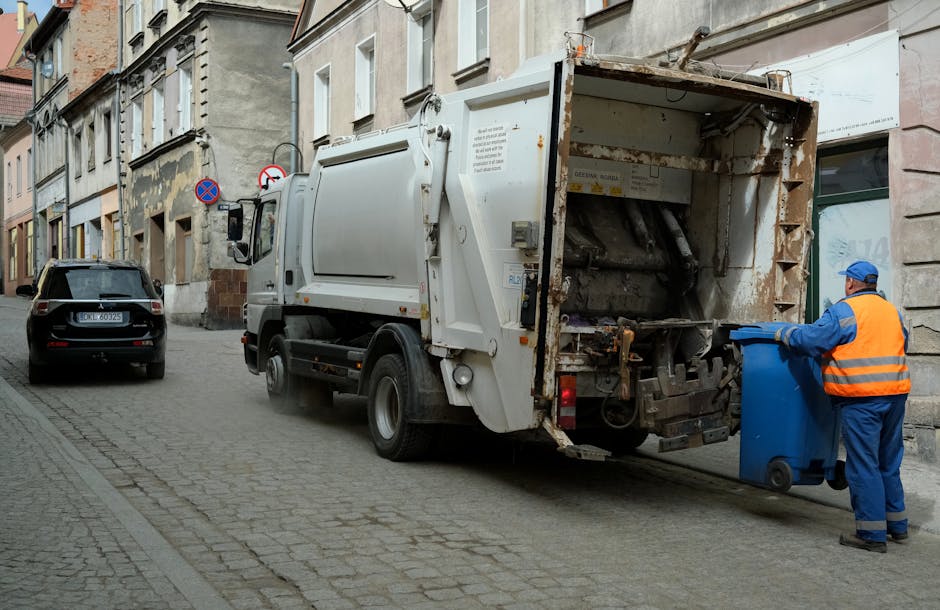
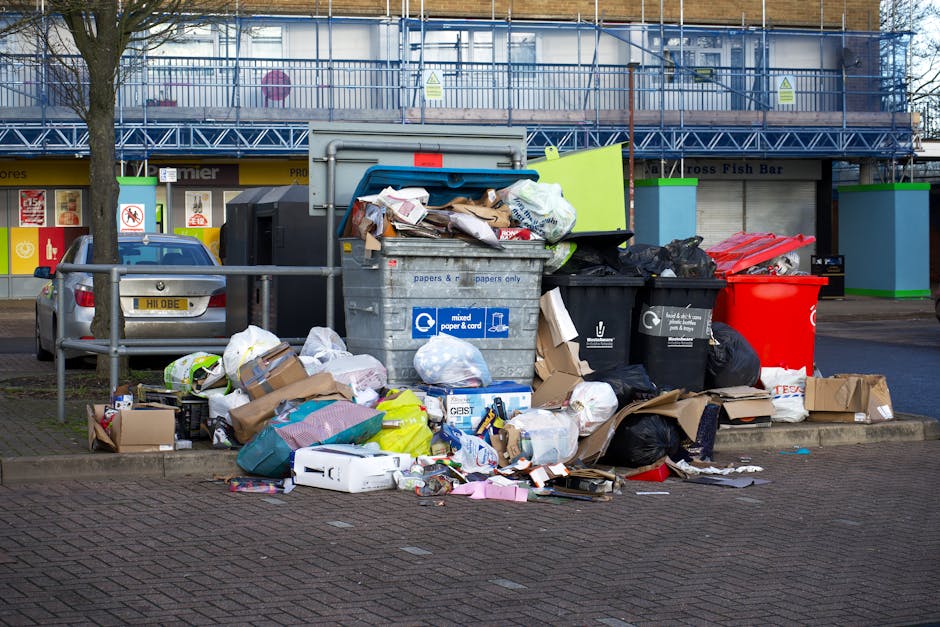
If you are dealing with bags, broken furniture, renovation offcuts, or just that stubborn pile building up by the door, rubbish removal Earlscourt Station SW5 can feel like one of those jobs that gets bigger every day. The flat starts to look smaller, the hallway gets awkward, and suddenly you are stepping around boxes like it is some sort of obstacle course. Not ideal.
This guide explains how rubbish removal around Earlscourt Station works, what to expect from a professional clearance service, and how to avoid the common mistakes that make the whole thing harder than it needs to be. Whether you are clearing a flat, a mews property, an office space, or a rental between tenancies, the aim is the same: get the waste gone properly, with as little fuss as possible.
We will also cover practical decision points, compliance considerations, and a few real-world tips that matter in busy London streets where access, parking, and timing can make a big difference. Truth be told, the difference between a smooth clearance and a stressful one is often in the planning, not the lifting.
Table of Contents
- Why Rubbish removal Earlscourt Station SW5 Matters
- How Rubbish removal Earlscourt Station SW5 Works
- Key Benefits and Practical Advantages
- Who This Is For and When It Makes Sense
- Step-by-Step Guidance
- Expert Tips for Better Results
- Common Mistakes to Avoid
- Tools, Resources and Recommendations
- Law, Compliance, Standards and Best Practice
- Options, Methods and Comparison Table
- Case Study or Real-World Example
- Practical Checklist
- Conclusion
- Frequently Asked Questions
Why Rubbish removal Earlscourt Station SW5 Matters
Earlscourt Station sits in a part of London where homes, flats, and small commercial spaces are often compact, busy, and heavily used. That matters because rubbish is not just an eyesore here; it can become a practical problem very quickly. A few bin bags left too long can block a narrow hallway. A sofa on the landing can make moving other items impossible. A stack of builders' waste can become a safety issue in no time.
Local rubbish removal helps solve more than clutter. It supports safe access, reduces fire risk, clears pathways for cleaners or contractors, and keeps move-outs or refurbishments on schedule. If you are in a managed block or a shared property, it also helps keep neighbours, landlords, and managing agents happy. Not glamorous, but very real.
It also matters because waste should be handled properly. Some items can be reused, some recycled, and some need special disposal routes. A responsible clearance service does not just tip everything into one load and hope for the best. A decent team will sort, separate, and direct materials where they belong. That is better for the environment and usually better for your conscience too.
Expert summary: if your waste is bulky, mixed, awkward to carry, or tied to a deadline, a structured rubbish removal service is usually the cleanest way to get things done without turning the day into a mini construction project.
How Rubbish removal Earlscourt Station SW5 Works
Most local rubbish removal jobs follow a fairly straightforward process, although the details change depending on the type and amount of waste. In practice, it usually starts with identifying what you need cleared, then agreeing access, timing, and the likely load size. If you are comparing options, the page on pricing and quotes is a sensible place to begin understanding what affects the final cost.
Here is the basic flow you can expect:
- You describe the waste. This could be general household rubbish, old furniture, office clutter, bagged waste, or renovation debris.
- The collection is assessed. The team considers volume, weight, access, parking, and whether any items need special handling.
- A time is arranged. In a location like SW5, timing matters because streets can be busy and access can be limited. A short arrival window helps everyone.
- The waste is removed. Good operators work efficiently, protect walls and floors where needed, and avoid leaving a mess behind.
- Sorting and disposal follow. Recyclables, reusable items, and regulated waste are handled according to the right route.
For some jobs, the service can overlap with other types of clearance. A flat filled with a mix of furniture and general rubbish may fit better into a flat clearance approach, while a house or larger property may benefit from home clearance or house clearance. The point is to match the method to the mess, not force everything into one label.
If you are dealing with old seats, tables, wardrobes, or mixed household furniture, the service may also line up with furniture clearance or furniture disposal. That makes the planning cleaner, especially when you want specific items removed without emptying an entire property.
Key Benefits and Practical Advantages
The most obvious benefit is speed. Rubbish removal clears space quickly, and in many cases the job can be completed in a single visit. But there are some less obvious advantages that matter just as much.
- Less disruption: you do not need to drag heavy items down stairs yourself or organise multiple trips.
- Better use of space: a clear room feels bigger immediately. You notice the difference at once.
- Safer movement: fewer trip hazards, fewer blocked exits, fewer awkward piles in shared areas.
- More flexible timing: useful for end-of-tenancy jobs, office moves, or last-minute landlord requests.
- Improved sorting: professional teams can separate reusable or recyclable items from general waste.
- Less stress: perhaps the biggest one. If you have ever looked at a room and felt a bit tired before starting, you will know the feeling.
There is also a practical financial angle. When waste is removed efficiently, you reduce the risk of delays, missed deadlines, or repeated call-outs. In a rental property, that can help get the place ready for cleaning or inspection sooner. In a workplace, it can stop clutter from eating into usable floor space. In a home, it can simply let you breathe a bit easier.
For bulky items such as white goods, old refrigeration units, or stubborn mattresses, specialist handling can be a lot more convenient than trying to manage it yourself. If those items are part of the job, useful related services include fridge and appliance removal and mattress and sofa disposal.
Who This Is For and When It Makes Sense
This kind of rubbish removal is useful for a surprisingly wide range of people. It is not just for people doing a full clear-out, and it is not only for landlords or builders. In fact, some of the most common requests are small and practical rather than dramatic.
You may need it if you are:
- moving out of a flat near Earlscourt Station and need a clean handover
- renovating a kitchen, bathroom, or single room
- getting rid of old furniture after a replacement delivery
- clearing a loft, garage, or storage area that has quietly filled up over years
- preparing an office for new staff, new layout, or a lease return
- handling garden waste, broken fixtures, or miscellaneous clutter after works
For larger household jobs, the most suitable route may be loft clearance, garage clearance, or even a broader house clearance. And if you are clearing after a refurb, builders' waste clearance can be the right fit for rubble, packaging, timber offcuts, and similar debris.
It also makes sense when time is tight. Let's face it, some waste does not wait politely until the weekend. A landlord wants the keys back. A tenant is due to move in. Tradespeople need the floor clear. That is when organised removal becomes the sensible choice rather than a nice-to-have.
Step-by-Step Guidance
If you want a smooth job, a little preparation goes a long way. Nothing extreme. Just enough to keep the process tidy and avoid confusion on the day.
1. Separate what stays and what goes
Before booking, walk through the space and mark what should be removed. If you are not sure about an item, set it aside. That is better than having to explain it from memory while someone is standing at the door with gloves on.
2. Group similar items together
Put bagged waste in one area, furniture in another, and fragile or sharp items somewhere clearly identified. This makes loading easier and lowers the chance of accidental damage.
3. Check access
Think about stairs, lifts, door widths, parking, and whether the team will need to carry items through communal spaces. In Earlscourt, access can be the thing that makes or breaks timing. A quick mention of a tight stairwell is worth more than five minutes of guessing on site.
4. Flag anything unusual
If you have electronics, chemicals, paint, gas canisters, sharps, or damaged appliances, mention them in advance. Some materials need specialist handling. If hazardous items are involved, the relevant route is a dedicated hazardous waste disposal approach rather than a standard mixed load.
5. Ask about sorting and disposal
A good service should be able to explain how they deal with recyclable, reusable, and non-recyclable materials. That does not mean you need a lecture. Just a clear answer. Simple is best.
6. Make the space easy to work in
Move small personal items, unlock gates if needed, and keep pets or children clear of the loading route. It sounds obvious, but on a busy day the obvious things are the ones people forget.
7. Keep communication direct
If the collection changes, tell the provider before arrival if possible. A revised headcount for waste volume or an extra bulky item can change the vehicle or crew required. That is normal. It just helps to be upfront.
Expert Tips for Better Results
After enough clearances, a few patterns become clear. The jobs that run best are rarely the ones with the fanciest plans; they are the ones where the waste is described accurately and the access is thought through properly.
- Be honest about volume. People often underestimate how much waste they have. One corner of a room can look harmless and then somehow become six black bags, a lamp, and half a wardrobe.
- Keep reusable items separate. If something is still usable, say so. It may be handled differently from true rubbish.
- Use labels for mixed rooms. A simple note like "keep" or "remove" can save confusion in a busy flat.
- Take photos if the load is awkward. Images help with stairs, basement access, or bulky items. You do not need a photo essay, just enough to show the shape of the job.
- Think about timing around neighbours. Early mornings, school runs, and delivery windows can all make access trickier than expected.
- Choose the right removal method. A small collection and a full property clear are different jobs, even if both involve rubbish.
One small but useful habit: keep a "don't forget" pile near the door for the last items you want gone. It sounds silly. It works. We have seen more than one job saved by a last-minute pile of odds and ends that would otherwise have been left behind in a cupboard.
If the property contains paperwork or sensitive material alongside general waste, you may also want to look at confidential shredding so documents are handled properly before disposal.
Common Mistakes to Avoid
Most problems with rubbish removal are avoidable. Usually it is one of a handful of small missteps that causes the delay, not the removal itself.
- Mixing everything together: putting sharp waste, electronics, and furniture into one unlabelled pile makes sorting harder.
- Ignoring access issues: a van can be ready, but if parking or entry is not planned, time is wasted.
- Forgetting restricted items: hazardous materials, certain appliances, and specialist waste may need separate arrangements.
- Leaving the job description vague: "just a bit of rubbish" rarely helps anyone estimate the work properly.
- Not checking what can be reused or recycled: useful items can end up unnecessarily treated as general waste.
- Leaving clearance until the last possible day: this is the classic one. A bit too common, really.
Another mistake is assuming a skip is always the easiest answer. Sometimes it is. Sometimes it is not. If you are comparing disposal options, it can help to read what can go in a skip so you understand the difference between skip waste and a collected load. That comparison matters more than many people realise.
And one more thing: do not forget the human side of the job. If the waste is in a building with narrow stairs, shared landings, or delicate finishes, mention it. A five-second warning can save a wall scuff that will annoy someone for weeks.
Tools, Resources and Recommendations
You do not need specialist equipment to prepare for rubbish removal, but a few simple tools can make the job easier and safer.
- Heavy-duty sacks: useful for bagged mixed rubbish and loose light materials.
- Marker tape or notes: handy for separating items to keep from items to remove.
- Work gloves: especially useful if you are sorting broken cardboard, wood, or dusty loft items.
- Box cutter or tape dispenser: helps if you are breaking down packaging before collection.
- Clear floor space: not a tool exactly, but it may be the most useful thing of all.
From a planning point of view, a few site-specific resources also help. If you are dealing with a business unit, the dedicated business waste removal page is useful for thinking through office or commercial clearance needs. For a dedicated office environment, office clearance is the more direct fit.
For service quality and reassurance, it is worth checking provider pages that explain how they work, how they handle safety, and how they manage payments. The pages on insurance and safety, health and safety policy, and payment and security are all the kinds of signals that help build trust before you book.
Law, Compliance, Standards and Best Practice
Rubbish removal is not just a practical service; it also needs to be carried out responsibly. In the UK, waste should be handled by people and systems that follow the right disposal standards, and businesses that produce or carry waste have duties around storage, transfer, and lawful disposal. The exact obligations depend on the circumstances, so it is always sensible to treat compliance carefully rather than casually.
For a customer, the main thing is to choose a provider that can explain what happens to the waste after collection and that separates normal domestic rubbish from items that need special handling. That matters for electricals, appliances, sharp waste, and any material that could pose a risk if mixed incorrectly.
Best practice also means being clear about what is on site before the collection starts. That allows the team to plan the load safely, avoid unnecessary handling, and reduce the chance of incorrect disposal. You want the right item going to the right place. Simple principle, big difference.
It is also good practice for a service provider to maintain clear public information on safety, waste handling, sustainability, and customer procedures. If you are comparing providers, pages such as recycling and sustainability and about us can help you understand how the business thinks and operates.
Useful rule of thumb: if an item might be hazardous, regulated, or awkward to identify, mention it before collection. Do not wait until it is already on the pavement. That is where avoidable headaches begin.
Options, Methods and Comparison Table
Different waste situations call for different approaches. Here is a simple comparison that may help if you are deciding what to do next.
| Method | Best for | Strengths | Limitations |
|---|---|---|---|
| Man and van style rubbish removal | Mixed household waste, bulky items, quick clearances | Flexible, fast, usually suited to awkward access | May be less efficient for very large, ongoing volumes |
| Skip-based disposal | Projects with steady waste generation | Good for self-loading over time | Needs space, permissions, and loading discipline |
| Full property clearance | Moves, probate, whole-house declutter, end-of-tenancy | Comprehensive and tidy | More involved than a simple rubbish pickup |
| Specialist item removal | Appliances, mattresses, sofas, or restricted items | Handled with the right care and disposal route | Not a one-size-fits-all option |
For many people near Earlscourt Station, the simplest answer is a targeted collection that combines a few types of waste in one visit. If that sounds like you, then it is worth checking the broader waste removal page as a starting point and then refining by item type or property type.
There is no prize for choosing the most complicated method. Pick the one that fits the mess, the building, and your timeframe. Sounds obvious, but people still overthink it all the time.
Case Study or Real-World Example
Imagine a second-floor flat near Earlscourt Station after a tenant move-out. The room has a dismantled bed frame, two mattresses, a broken chair, several black bags, a small fridge, and a few boxes of mixed odds and ends from the kitchen cupboard. The hallway is narrow. The lift is temperamental. One neighbour is clearly trying to leave at the same time with a bicycle and a very determined expression.
In that sort of situation, the smart move is to sort the load first, identify anything that needs specialist handling, and make access clear before anyone arrives. The fridge should be separated for appliance handling, the mattresses noted in advance, and the smaller rubbish grouped so the crew can load quickly. If there is also paperwork from the tenant, confidential shredding should be arranged separately or the papers should be removed before the rest of the job starts.
The job then becomes straightforward. The team can carry the larger pieces safely, remove the general waste, and keep the route clear. The flat is left ready for cleaning, inspection, or decorating. It is a small example, but it mirrors the kind of real local job that happens every day.
That is the real value of proper rubbish removal: not drama, just a tidy finish and a usable space again. And honestly, that moment when the last item leaves the room is a relief. You can almost hear the place exhale.
Practical Checklist
Use this checklist before your collection day. It keeps the job moving and prevents avoidable back-and-forth.
- Identify every item you want removed.
- Separate items to keep from items to go.
- Group waste by type where possible.
- Check access routes, stairs, gates, and parking.
- Note any bulky, heavy, sharp, or fragile items.
- Flag appliances, electricals, or suspect hazardous materials in advance.
- Move personal valuables and important documents away from the clearance area.
- Clear a path to the exit if you can.
- Confirm the timing and any arrival instructions.
- Review whether the job is a flat clearance, house clearance, furniture disposal, or general rubbish removal.
If you are preparing for a home or property-wide job, the pages on flat clearance and home clearance may help you think through the scope before you book.
Conclusion
Rubbish removal Earlscourt Station SW5 is really about making a busy local space workable again. Whether you are clearing a single awkward item or a full room of mixed waste, the process is much easier when you think ahead about volume, access, and disposal type. That small bit of planning saves time, avoids confusion, and helps the work feel calm instead of chaotic.
For most people, the best result comes from matching the service to the job: general rubbish, furniture, appliances, builders' debris, or a full property clearance. Keep it simple, be specific, and ask the right questions before collection day. Nothing fancy. Just practical, sensible, and done properly.
Get a free quote today and see how much you can save.
If you are ready to take the next step, a short conversation with the right team can turn a cluttered room into clear space faster than you might expect. And once it is gone, it is gone. That part never gets old.
Frequently Asked Questions
What does rubbish removal near Earlscourt Station usually include?
It usually includes bagged rubbish, bulky household items, furniture, mixed clutter, and sometimes renovation debris, depending on the service and the load type. If there are specialist items like appliances or hazardous materials, those may need separate handling.
How is rubbish removal different from a skip hire service?
Rubbish removal is collected for you, so you do not need space for a skip or time to load it yourself. Skip hire can suit ongoing projects, but collection-based removal is often easier for flats, tight streets, and one-off clearances.
Can I get rid of a sofa or mattress with rubbish removal?
Yes, in many cases. Sofas and mattresses are common bulky items and are often handled through dedicated furniture or mattress disposal routes. It is best to mention them early so the team knows what to expect.
What if I have a fridge or other appliance to remove?
Appliances should be declared in advance because they may need special treatment. A fridge, for example, is different from general bagged waste and is usually handled through appliance-specific removal.
Do I need to be at the property during collection?
Often yes, especially if access is tricky or if you want to point out specific items. Some collections can be arranged with clear instructions if access has already been agreed, but being available usually makes things smoother.
How do I know if my waste is hazardous?
If it includes chemicals, paints, unknown liquids, batteries in quantity, sharp medical items, or anything you would not want handled casually, treat it as potentially hazardous and mention it before booking. When in doubt, ask rather than guess.
Is rubbish removal suitable for flat clearances?
Yes. In fact, flats are one of the most common settings for this kind of service because stairs, lifts, and tight access make self-removal harder. A structured flat clearance can be much less stressful.
What should I do before the team arrives?
Separate keep and remove items, clear a path, and flag anything unusual. If you have papers to dispose of securely, remove them from the general waste and sort them separately.
Can rubbish removal help at the end of a tenancy?
Definitely. End-of-tenancy jobs often involve a mix of furniture, general rubbish, and leftover household bits. Clearing it properly can help the property move straight into cleaning or inspection.
How should I prepare for rubbish removal in a tight London street?
Think about parking, access, delivery timings, and neighbour movement. In places near Earlscourt Station, narrow roads and shared entrances can slow things down if they are not planned for. A small amount of preparation goes a long way.
What happens to the rubbish after collection?
That depends on the type of waste, but responsible services sort items for reuse, recycling, or approved disposal routes where appropriate. Mixed loads should not simply be treated as one big pile if there are reusable or regulated items inside.
How do I choose the right clearance service?
Look for clear information about the type of waste handled, safety practices, pricing, and what happens to materials after collection. Pages such as recycling and sustainability, insurance and safety, and contact us can help you judge whether the service feels trustworthy and well organised.