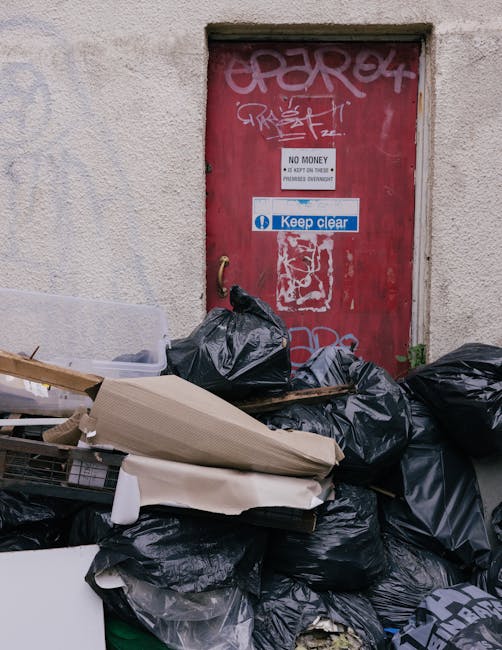
Difficult access rubbish removal for Earlscourt flats: a practical guide for tight stairwells, shared entrances, and awkward clearances
If you live in a flat in Earlscourt, you already know the awkward bits: narrow staircases, tight front steps, no lift, a heavy wardrobe that seems to have grown overnight, and a refuse area that is just never quite where you need it. Difficult access rubbish removal for Earlscourt flats is about dealing with all of that properly, without damaging walls, blocking neighbours, or turning a simple clearance into a stressful weekend project.
Whether you are clearing out old furniture, end-of-tenancy waste, builders' rubble, or just years of accumulated clutter, the access problem changes everything. It affects timing, labour, vehicle choice, and even what can be moved safely. In this guide, we'll walk through how it works, what to expect, the common mistakes people make, and how to make the whole thing smoother from the start. A small bit of planning really does go a long way.
Table of Contents
- Why difficult access rubbish removal for Earlscourt flats matters
- How difficult access rubbish removal for Earlscourt flats works
- Key benefits and practical advantages
- Who this is for and when it makes sense
- Step-by-step guidance
- Expert tips for better results
- Common mistakes to avoid
- Tools, resources and recommendations
- Law, compliance, standards, or best practice
- Options, methods, or comparison table
- Case study or real-world example
- Practical checklist
- Conclusion
- Frequently asked questions
Why difficult access rubbish removal for Earlscourt flats matters
Difficult access sounds like a small detail, but in a flat, it often decides whether clearance is quick, safe, and affordable or slow, messy, and expensive. Earlscourt has plenty of converted buildings, older blocks, basement flats, upper-floor walk-ups, and shared hallways where moving waste is not as straightforward as wheeling a bag to the kerb. You may also be dealing with parking pressure, narrow roads, or limited loading space. All of that matters.
Rubbish removal in these settings is not just about lifting things out. It is about planning the route from the flat to the vehicle, protecting shared areas, and making sure the waste is handled without creating problems for neighbours or building managers. The wrong approach can lead to scuffed walls, blocked entrances, complaints, or a team having to make several trips because a sofa simply will not bend around that corner. Truth be told, that happens more often than people think.
For residents, landlords, letting agents, and managing agents, the need is usually the same: clear the space efficiently with as little disruption as possible. The practical difference is in the detail. A basement flat with a steep stairwell needs a different plan from a third-floor flat with a tiny lift. A property on a busy Earlscourt road may need timed loading and clear communication with neighbours. Small things. Big consequences.
There is also a trust angle. When access is tight, you want a clearance team that thinks ahead rather than one that turns up, shrugs, and hopes for the best. Anyone can say they do rubbish removal; not everyone can do awkward access well. That is where experience really shows.
How difficult access rubbish removal for Earlscourt flats works
The process usually starts with an access assessment. That might be a quick conversation, photos, or a site visit, depending on the size of the job and how tricky the building is. The point is simple: work out what can be removed, how it gets out, and what equipment or manpower is needed.
From there, the job is planned around the building layout. If there are stairs, tight corners, shared entrances, or no lift, the team may use smaller lifting methods, extra labour, protective coverings, or more careful scheduling. For larger items such as wardrobes, mattresses, sofa frames, washing machines, or bed bases, the route matters as much as the item itself.
In practical terms, a difficult access clearance often includes:
- a review of access points, stairwells, lifts, or rear entrances
- an estimate of labour and time needed
- planning for parking or loading near the property
- safe removal of bulky or heavy items
- sorting waste for reuse, recycling, or disposal
Sometimes the job is straightforward once the right approach is chosen. Other times, it needs a bit of improvisation. For example, a chest of drawers may need to be taken apart in the flat because it would never make the turn on the landing. That is not a failure; it is just sensible clearance work.
If you are comparing clearance options, it helps to look at the wider service range too. A provider offering flat clearance is often better set up for apartment access issues than a general waste collector who mainly handles kerbside pickups. Likewise, a team that understands waste removal in mixed residential settings is usually better prepared for the practical realities of Earlscourt buildings.
Key benefits and practical advantages
Good difficult access rubbish removal is not just about getting rid of stuff. It makes the whole process calmer, faster, and safer. And if you've ever tried to carry a heavy ottoman down a narrow stairwell without hitting the banister, you'll appreciate the difference.
Here are the main advantages:
- Less stress: you do not have to organise friends, borrow a van, or spend your Saturday wrestling with a sofa.
- Lower risk of damage: careful planning reduces knocks to plaster, paintwork, communal doors, and lifts.
- Better safety: trained handling matters when moving heavy, sharp, or awkward items through tight spaces.
- Cleaner communal areas: hallways and entrances stay tidier, which keeps neighbours and managing agents happier.
- More efficient disposal: the right team can separate reusable, recyclable, and non-recyclable waste more effectively.
- Less disruption: a well-run clearance is usually quicker, quieter, and easier on everyone in the building.
There is also a financial benefit, though people often miss this. If access is assessed properly, the job is less likely to run over time or require repeat visits. That can make the final cost more predictable. Not always cheaper, mind you, but often fairer and easier to understand.
For heavier household items, it can also help to match the removal method to the item type. A team handling furniture clearance or mattress and sofa disposal will usually have more practical experience with oversized pieces than a general "man and van" style collection.
Who this is for and when it makes sense
This kind of service is useful for far more people than you might expect. Yes, it is obvious for end-of-tenancy clear-outs, but it is just as relevant for a family replacing furniture, a landlord turning over a flat, or someone clearing a property after a long period of storage and clutter.
You may need difficult access rubbish removal if you are:
- living in a top-floor flat with no lift
- moving out and need to clear bulky items fast
- dealing with an inherited flat or long-term vacant property
- refreshing a rental between tenants
- disposing of old furniture that won't fit through the stairwell easily
- clearing builders' waste after renovation work
- managing clutter in a small flat where access is awkward from the start
It also makes sense when you have items that are awkward rather than especially heavy. A radiator-sized box, a dismantled wardrobe, or a broken freezer can still be a nightmare in a tight hallway. This is where good judgement matters. A clearance can look easy on paper and then become very not-easy once somebody reaches the landing. Bit of a classic, really.
For renovation work, a service like builders waste clearance can be a better fit than standard domestic rubbish removal. If it is office-related or mixed-use space, office clearance may be more relevant. The point is to match the service to the access and the waste type, not just the address.
Step-by-step guidance
If you want the least stressful result, it helps to follow a simple process. This is the part that often gets rushed, and then everybody pays for it later in time or hassle.
1. Identify everything that needs to go
Walk through the flat and separate items into clear groups: bulky furniture, small bagged waste, electrical items, recyclables, and anything you want to keep. If you are not sure about an item, set it aside rather than guessing. Half-cleared rooms create confusion, especially in flats where space is already tight.
2. Check the access route
Look at the stairs, landings, hallway widths, doors, lift size, and any tight corners. If you can, note where a large item may need to be turned or dismantled. A quick photo on your phone can be surprisingly useful here. It saves a lot of back-and-forth later.
3. Think about parking and loading
In Earlscourt, parking can affect the whole job. If the vehicle cannot get close enough, the team may need extra time to move items. That is not a disaster, just a practical constraint. But it should be known in advance so the visit is planned properly.
4. Flag any awkward items early
Tell the provider about sofas, wardrobes, white goods, broken glass, mattresses, or heavy bags of mixed waste. If there is anything hazardous, mention that too. A lot of problems happen because the heaviest or messiest things are mentioned after the booking, not before it.
5. Protect the route
On the day, hallways and floors may need temporary protection. A careful team will think about this without being asked, especially in older buildings where paintwork and corners mark easily. That little extra caution can make a big difference.
6. Remove in the right order
Usually the safest approach is to take out the largest or most difficult items first, then bagged waste, then loose smaller bits. This keeps the access route clearer. It also avoids the awkward moment where the final item cannot get past the pile of things already waiting near the door.
7. Confirm the finish
Once the clearance is done, check the route, communal areas, and the rooms being cleared. A good final sweep helps catch stray fixings, screws, or packaging. It is one of those tiny jobs that feels mundane until you step on a screw barefoot. Nobody wants that ending.
Expert tips for better results
After enough awkward flat clearances, certain habits make a noticeable difference. These are the things that save time and prevent stress.
Tip 1: Measure the awkward bits, not just the flat. People often measure room size but forget the sofa arm, bed headboard, or fridge depth. A few centimetres can decide whether an item goes out in one piece or needs dismantling.
Tip 2: Use photos instead of long explanations. A staircase photo, a hallway shot, and a picture of the bulkiest item tell the story far better than a rushed phone call. Honestly, photos prevent a lot of "ah, right" moments on the day.
Tip 3: Separate loose waste from furniture. Bagged rubbish moves differently from a wardrobe carcass. If the team has to keep stopping to sort, the job slows down fast.
Tip 4: Plan around neighbours. If you share an entrance or landing, choose a time that causes the least disruption. Early morning can work well, but not always. A mid-morning slot may be easier in some blocks.
Tip 5: Ask how the provider handles recycling. If sustainability matters to you, choose a company that explains how items are sorted and where possible materials go. You do not need a lecture, just a clear answer.
Tip 6: Be realistic about DIY. Could you and a friend move a small table? Probably. Should you try to manoeuvre a king-size mattress down a cramped communal stairwell by yourselves? Let's be fair, probably not.
If the job involves mixed household waste, a service like home clearance can be useful because it is built around removing a range of items in one visit. If you are clearing storage areas too, loft clearance and garage clearance pages can also be helpful to compare the right approach.
Common mistakes to avoid
Most clearance problems are avoidable. The frustrating part is that they are usually avoidable in exactly the ways people forget about under pressure.
- Underestimating access: assuming a sofa will fit because it "looked fine online" is how you end up stuck on the stairs.
- Not mentioning lifts or stairs: even a small detail like a split-level entrance changes the plan.
- Forgetting about parking: if the vehicle cannot park close enough, the job gets slower and sometimes more expensive.
- Mixing hazardous items with ordinary waste: this can create safety issues and may require separate handling.
- Leaving everything until moving day: last-minute clearances are harder, especially in busy parts of London.
- Assuming all removals are the same: a flat clearance is not the same as a kerbside collection, and difficult access makes the difference even bigger.
One more thing. People sometimes try to hide awkward items in different rooms thinking it makes the job easier. It rarely does. It usually just makes the count wrong and the access route messier. Better to be upfront from the start.
Tools, resources and recommendations
You do not need specialist equipment at home to prepare for a difficult access clearance, but a few simple tools help a lot.
- Measuring tape: useful for doors, stair widths, and furniture dimensions.
- Phone camera: ideal for sharing access photos before the visit.
- Strong bags or boxes: good for smaller loose items and sorting.
- Labels or sticky notes: helpful if some items are staying and some are going.
- Basic screwdriver or Allen key: useful if a bed frame or table can be dismantled safely.
- Gloves and sturdy shoes: sensible if you are doing any sorting before the team arrives.
For people looking to understand how responsible disposal fits into the bigger picture, the recycling and sustainability page is a useful place to start. It is also worth looking at pricing and quotes if you want to understand how access, item type, and labour can affect the final estimate.
If your property includes unusual items such as fridges, freezers, or appliances, the fridge and appliance removal service is worth considering. For items that may need separate handling, such as chemicals, paints, or similar materials, hazardous waste disposal is the safer route. No shortcuts there.
Law, compliance, standards, or best practice
With rubbish removal, compliance is mostly about safe handling, responsible disposal, and avoiding nuisance or damage. You do not need to memorise legislation to make good choices, but it helps to understand the basics.
In the UK, waste should be handled by people who can dispose of it properly and responsibly. For household clearances in flats, that usually means checking what needs special handling, separating recyclable material where possible, and making sure waste is not simply dumped elsewhere. If a provider is unclear about where your waste goes, that is worth a second look.
Best practice in difficult access situations usually includes:
- protecting communal areas and surfaces where needed
- lifting and carrying items safely, especially on stairs
- identifying anything that may need separate disposal
- keeping routes clear during the job
- communicating with occupants and, where relevant, building management
Insurance matters too. A properly run clearance service should have sensible arrangements in place for working in homes and shared buildings. If you want to know more about that side of things, insurance and safety and health and safety policy give a clearer picture of how a professional operation should think.
There is also a privacy angle if you are clearing paperwork or personal items from a flat. In that case, confidential shredding can be relevant. It is a small detail, but one people often appreciate after the fact.
Options, methods, or comparison table
If you are deciding how to handle awkward rubbish in a flat, it helps to compare the main options side by side. The best choice depends on volume, item type, access, and how much time you have. Sometimes the cheapest option on paper is the least practical once the stairs enter the chat.
| Method | Best for | Pros | Watch-outs |
|---|---|---|---|
| Self-clearance | Small loads, light items, easy access | Lower immediate cost, flexible timing | Heavy lifting, parking hassle, risk of damage or injury |
| Man and van style collection | Mixed household waste with moderate access | Flexible, quicker than hiring transport yourself | May struggle with very tight stairwells or bulky furniture |
| Specialist flat clearance | Upper floors, narrow stairs, shared entrances, bulky items | Better planning, safer handling, more suitable for awkward buildings | Usually costs more than basic kerbside collection |
| Skip hire | Large volumes where space for a skip exists | Useful for ongoing projects | Not ideal for flats without loading space; often impractical in dense streets |
For many Earlscourt flats, a specialist clearance is the most realistic choice. That is especially true if items need to come down several floors, through shared hallways, or out of a building with limited external space. If the job is renovation-related, what can go in a skip can help you compare whether a skip even makes sense for the property before you commit.
Case study or real-world example
Here is a realistic example. A renter in a third-floor Earlscourt flat needed to clear a bed frame, mattress, broken shelving, and a pile of bagged clutter before checkout. The building had a narrow staircase, no lift, and a shared entrance that opened onto a busy street. Nothing dramatic. Just the sort of job that sounds simple until you are standing in the hallway.
The first step was to identify the access pinch points. One wardrobe shelf would not fit around the landing corner in one piece, so it was dismantled before removal. The mattress had to be carried carefully through the communal area to avoid marking the walls. A small amount of protective covering was used in the route, and the collection was timed to avoid the school run traffic and the worst parking pressure.
The difference came from preparation. Because the bulky item dimensions were shared in advance, the team arrived ready to dismantle rather than guess. Because the item count was accurate, the vehicle space was right first time. And because the access was clearly described, the job did not drag into a second visit. Nothing flashy. Just organised, which is what you want.
That kind of result is very common when people give enough detail early. A tiny bit of prep at the start can save a pile of hassle later. Quite literally.
Practical checklist
Use this checklist before booking difficult access rubbish removal for Earlscourt flats. It keeps things simple and avoids the usual last-minute scramble.
- List every item to be removed
- Measure the largest or heaviest pieces
- Photograph the access route, stairs, and landing corners
- Note whether there is a lift and how large it is
- Check if parking or loading access is limited
- Separate hazardous items from general waste
- Decide what can be dismantled safely
- Tell the provider about communal areas or management rules
- Ask whether the team handles bulky furniture and appliances
- Confirm whether the quote includes labour for difficult access
- Make sure the route is reasonably clear on the day
- Keep valuables, documents, and keep-sakes aside before clearance starts
That list sounds obvious, maybe, but it is the obvious things that get missed when a flat is full and time is short. A ten-minute check can save a lot of chasing later.
Conclusion
Difficult access rubbish removal for Earlscourt flats is about more than taking waste away. It is about solving a practical problem properly: tight stairs, narrow hallways, awkward furniture, shared entrances, and limited loading space, all without making life harder for you or your neighbours. When the plan is right, the job feels calm and efficient. When it is not, even a small clearance can become a headache.
The good news is that with a few photos, accurate item details, and a provider who understands flat access, most clearances can be handled smoothly. You do not need to overthink it, just prepare well enough to avoid surprises. That is usually the sweet spot.
Get a free quote today and see how much you can save.
If you are ready to clear a flat the sensible way, start by gathering a few photos and a quick item list. It's a small effort, but it tends to pay off, and it makes the whole process feel a lot lighter from the very beginning.
Frequently Asked Questions
What makes rubbish removal for Earlscourt flats "difficult access"?
It usually means the property has narrow stairs, tight corridors, no lift, awkward corners, or limited parking and loading space. In flats, one or two of those factors can quickly change the whole removal plan.
Can bulky furniture be removed from a top-floor flat?
Yes, in many cases it can, but the route needs to be checked first. Some items can be carried out whole, while others may need dismantling to fit safely through stairwells or doorways.
Do I need to measure the items before booking?
It is strongly recommended. Measuring the largest items helps the provider understand whether they can be removed intact or whether they will need to be broken down first. Photos help too.
What if my flat has no lift?
That is very common in Earlscourt. A good clearance team should plan for stairs and factor the extra labour into the job. The key is to mention it early rather than leaving it as a surprise on the day.
How much does difficult access rubbish removal usually cost?
Costs vary depending on item volume, labour, access difficulty, and whether any items need special handling. The best way to get a sensible figure is to request a quote with clear access details and photographs.
Can you remove rubbish from shared hallways without causing disruption?
Usually, yes, if the job is planned carefully. The team should work methodically, protect surfaces where needed, and keep communal areas clear for other residents as much as possible.
Is it better to use a skip for flat clearances?
Not always. Skips work well when there is space for them, but many flats do not have practical loading access. For upper-floor flats and busy streets, a collection service is often more convenient.
Can you take away appliances like fridges or washing machines?
Yes, those items are commonly removed, but they may need separate handling depending on the appliance type and condition. Fridges and similar items are often better placed with a service that handles appliance removal specifically.
What should I do with hazardous waste from a flat?
Keep it separate and tell the provider in advance. Items such as chemicals, paints, or similar materials may need special handling and should not be mixed in with ordinary household rubbish.
How do I prepare my flat before the team arrives?
Make a clear list of what is going, take photos of awkward access points, move personal items out of the way, and make sure any shared entrances or hallways are reasonably clear. That small bit of prep helps a lot.
Will the team dismantle furniture if needed?
Often, yes, if that is part of the agreed service and the item is suitable for dismantling. It is best to ask in advance, because some pieces are quicker to remove in sections than in one piece.
Is difficult access clearance suitable for end-of-tenancy jobs?
Definitely. In fact, it is one of the most common reasons people book it. If a flat needs clearing before check-out and the access is awkward, a specialist approach usually saves time and stress.